Fish of the Month Feature: Pollock (Pollack)

At Evans, we believe understanding where our food comes from is just as important as enjoying it. Each month, our Fish of the Month series takes a closer look at a different species of seafood, exploring its history, flavor, and place in the world of fish and chips. This month, we're highlighting Pollock, also commonly spelled Pollack, a versatile white fish valued for its mild flavor, flaky texture, and importance to sustainable fisheries around the world.

Pollock (Pollachius pollachius), Saithe (Pollachius virens), and Alaska Pollock (Gadus chalcogrammus)
One of the first things to know about Pollock is that the name doesn't always refer to the same fish. Depending on where you are in the world, "Pollock" may mean one of several closely related species.
In North America, Pollock almost always refers to Alaska Pollock (Gadus chalcogrammus), the species most commonly used in commercial seafood and fish and chips.
In Europe, you'll more often encounter Pollack (Pollachius pollachius) and Saithe, also known as Coalfish (Pollachius virens). Although the names are similar, these are different species from Alaska Pollock.
All three belong to the cod family (Gadidae) and share many of the qualities that make them excellent eating fish. They have lean white flesh, a mild flavor, and are well suited to a variety of cooking methods. Alaska Pollock is known for its delicate, flaky texture, while European Pollack is slightly firmer with a subtly sweeter flavor.

Pollock has become one of the world's most important commercial fisheries, particularly in the North Pacific. Alaska Pollock supports one of the largest single-species fisheries on Earth and is carefully managed through scientific stock assessments, catch quotas, observer programs, and ecosystem-based management. These measures have helped maintain healthy fish populations while supporting coastal communities and the global seafood industry.
As with all seafood, sustainability depends on where and how the fish is harvested. Choosing responsibly sourced Pollock helps encourage fisheries that protect marine ecosystems while ensuring future generations can continue to enjoy this remarkable fish.
In the Kitchen
Pollock's mild flavor and tender, flaky flesh make it one of the most versatile whitefish available. It performs well whether fried, baked, grilled, poached, steamed, or incorporated into soups and seafood dishes.
In the United Kingdom, Pollack is often battered and served as fish and chips, providing a sustainable alternative to Cod and Haddock. Along the coasts of Norway and Iceland, Pollock and Saithe are commonly baked or pan-fried with butter, potatoes, and seasonal vegetables, allowing the fish's delicate flavor to shine.

In South Korea, Alaska Pollock plays an especially important role in traditional cuisine. Hwangtae-guk, a hearty soup made from dried Pollock, is enjoyed throughout the country and is often considered a comforting meal during the winter months. Dried Pollock is also used in Bugeo-gui, where the fish is seasoned and grilled until lightly crisp.

In North America, Alaska Pollock is commonly used in fish sandwiches, fish tacos, seafood chowders, and breaded fish fillets. Its mild taste and flaky texture also make it a popular ingredient in fish cakes and surimi, the seafood paste used to create imitation crab and other seafood products.
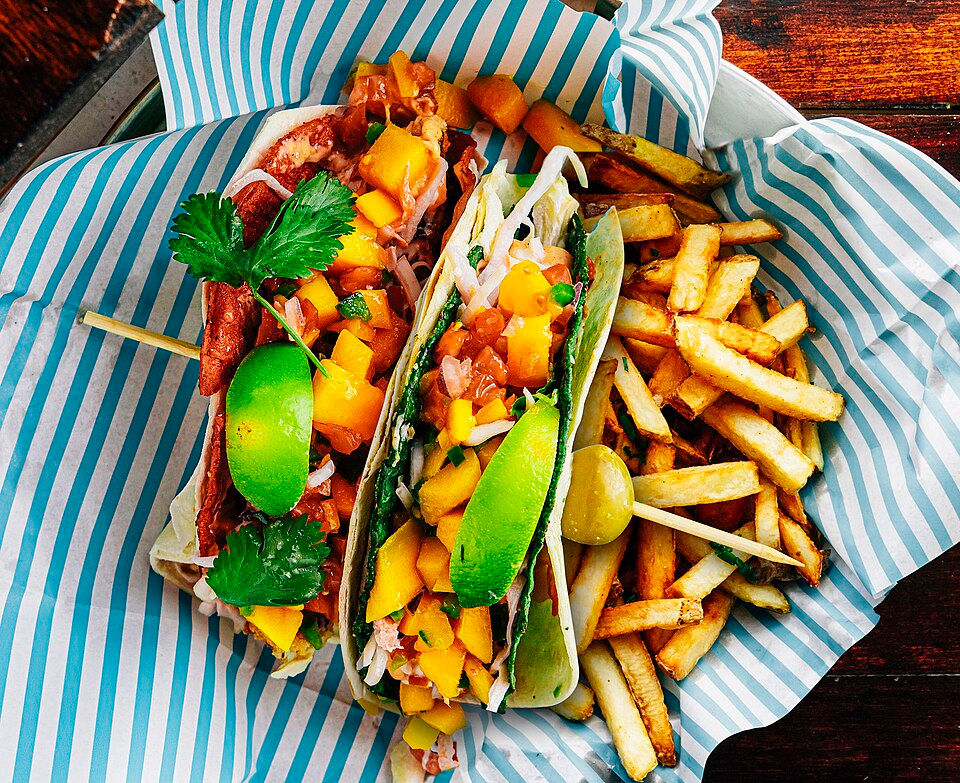
Whether served as a classic fish fry, incorporated into traditional Korean cuisine, or prepared simply with herbs and lemon, Pollock has earned its place as one of the world's most versatile seafood species.
Fun Fact
Thanks to its mild flavor, white flesh, and ability to hold together when processed, it is the primary fish used to make Surimi. This traditional Japanese fish paste has become popular around the world. If you've ever enjoyed imitation crab in a California roll or seafood salad, you've probably eaten Surimi.

Final Note
Pollock demonstrates that great seafood doesn't have to be the most famous seafood. Its mild flavor, adaptability, and strong sustainability record have made it one of the most widely enjoyed fish in the world, even if many people don't realize they're eating it.
Whether served as fish and chips, transformed into traditional Korean soups, or enjoyed in countless other dishes, Pollock continues to prove that responsible fisheries and delicious seafood can go hand in hand.
Thanks for reading! We'll be back next month with another Fish of the Month as we continue exploring the incredible variety of seafood found around the world.
Sources & Further Reading
Scientific & Fisheries Management
National Oceanic and Atmospheric Administration (NOAA Fisheries). Alaska Pollock.https://www.fisheries.noaa.gov/species/alaska-pollock
Food and Agriculture Organization of the United Nations (FAO). Species Fact Sheets.https://www.fao.org/fishery
Marine Stewardship Council (MSC). Alaska Pollock.https://www.msc.org
International Council for the Exploration of the Sea (ICES). Pollack and Saithe Stock Assessments.https://www.ices.dk
History & Culinary Traditions
Encyclopaedia Britannica. Pollock.https://www.britannica.com/animal/pollock-fish
SeafoodSource - https://www.seafoodsource.com/seafood-handbook/finfish/pollock-alaska
Korean Food Foundation. Traditional dishes featuring dried Pollock.
Larousse Gastronomique. Entries on classical fish cookery and whitefish preparations.


Comments